Induction Furnace Steelmaking Systems
Compact and Energy‑Efficient Induction Furnace Solutions
Induction Furnaces provide a clean, flexible, and cost-effective route into steel production. With advantages such as low emissions, precise temperature control, and high melting efficiency, they are widely used in foundries and small to medium-scale steel plants. For steelmakers seeking lower capital investment, smaller heat sizes, and consistent process control, induction melting offers an ideal alternative to electric arc furnace steelmaking, particularly for producing high-quality alloy and specialty steels. Stable power input and controlled melting conditions also contribute to improved metal recovery and reduced oxidation loss.
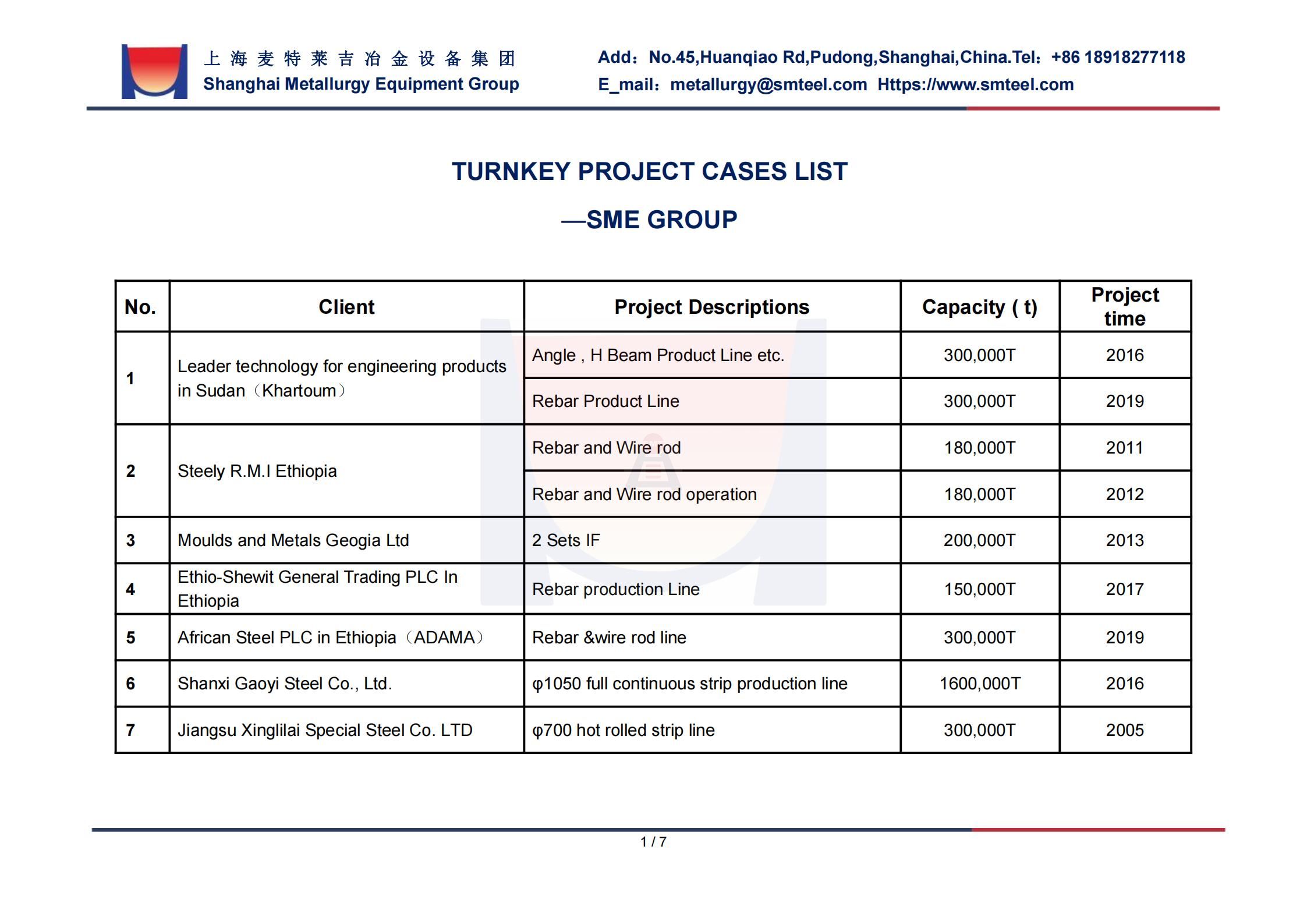
At Shanghai Metallurgy Equipment Group (SME), we supply complete turnkey induction furnace systems, including furnace body, medium-frequency power supply, cooling systems, and integration with continuous casting equipment. Our systems are designed with optimized electrical efficiency and robust structure to ensure stable melting performance, uniform temperature distribution, and high metal purity. By combining reliable equipment with proven engineering design, SME helps customers achieve consistent product quality, reduced energy consumption, and dependable long-term operation in a wide range of steelmaking and casting applications.
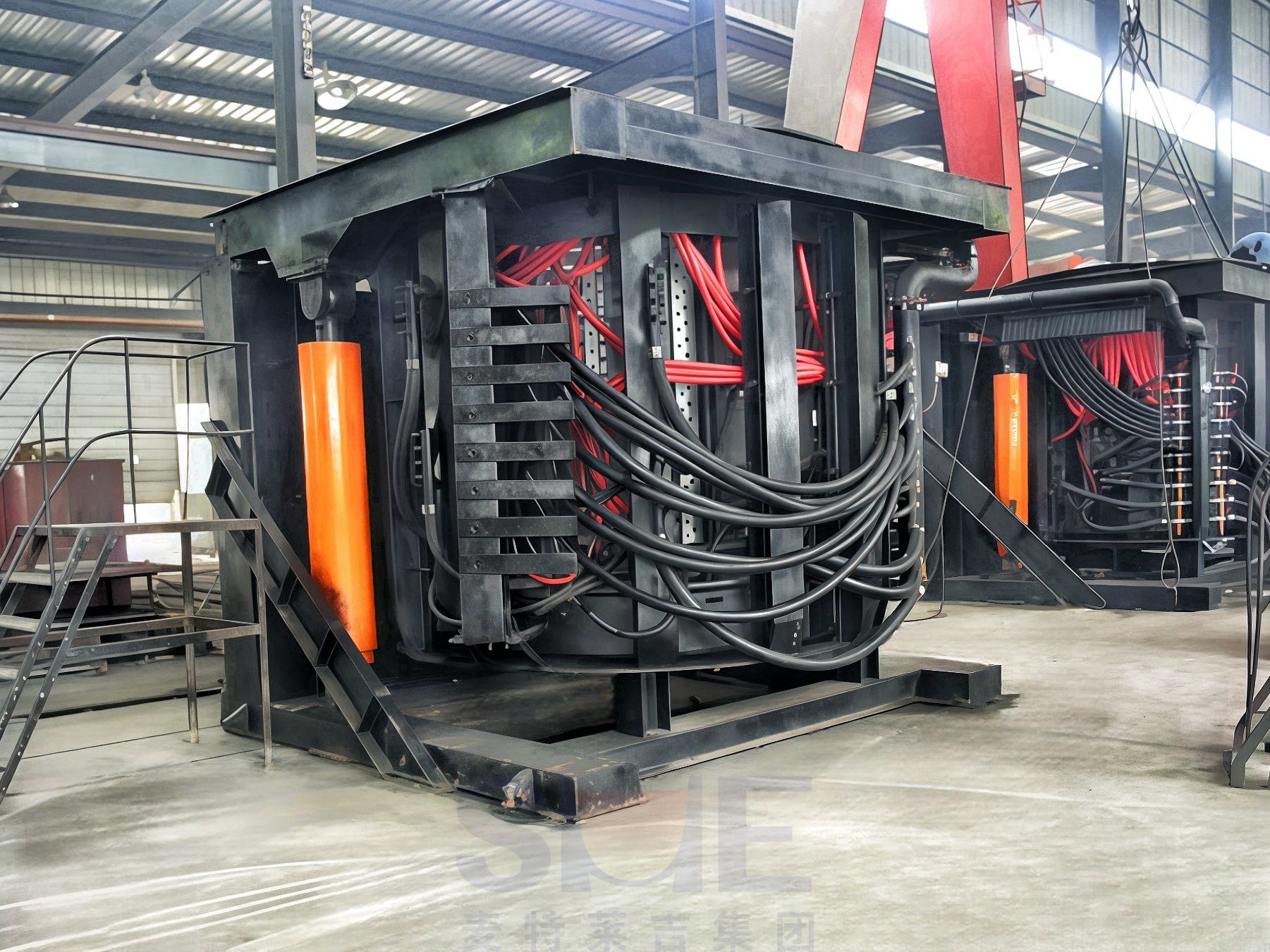
Induction Furnace Process Flow
Scrap Charging → Electromagnetic Melting → Alloying and Temperature Adjustment → Slag Removal → Tapping to Ladle → Casting
The process begins with charging clean steel scrap or alloy materials into a coreless induction furnace. Alternating current flowing through the induction coil generates a magnetic field, inducing eddy currents within the metal charge. These currents produce heat internally, resulting in uniform melting, precise temperature control, and minimal oxidation compared with arc furnace processes.
Standard Furnace Parameters and Configurations
| Technical Parameter | Typical Range |
| Furnace Capacity | 0.5 – 50 tons(customized) |
| Power Frequency | Medium Frequency (MF) |
| Specific Power Consumption | 550 – 700 kWh/t |
| Furnace Type | Coreless Induction Furnace |
These configurations support a wide range of applications, from small foundry operations to regional mini-steel plants producing carbon steel, alloy steel, and specialty grades.
Main Equipment of an Induction Furnace Steelmaking System
A complete Induction Furnace (IF) steelmaking line consists of melting, power supply, material handling, and downstream processing systems working together to ensure stable melting, controlled chemistry, and efficient production.
Core equipment includes:
· Induction furnace body (steel shell, refractory lining, water-cooled induction coil, tilting mechanism)
· Medium-frequency power supply system including rectifier, inverter, and control cabinet
· Furnace cooling water system to maintain safe operating temperature of coils and electrical components
· Charging and raw material handling system for scrap, pig iron, or alloy additions
· Fume extraction and dedusting system for environmental compliance and workplace safety
· Tapping system and ladle transfer equipment for safe molten metal handling
These systems form the foundation of any induction furnace melt shop and directly affect melting efficiency, energy consumption, and furnace lining life.
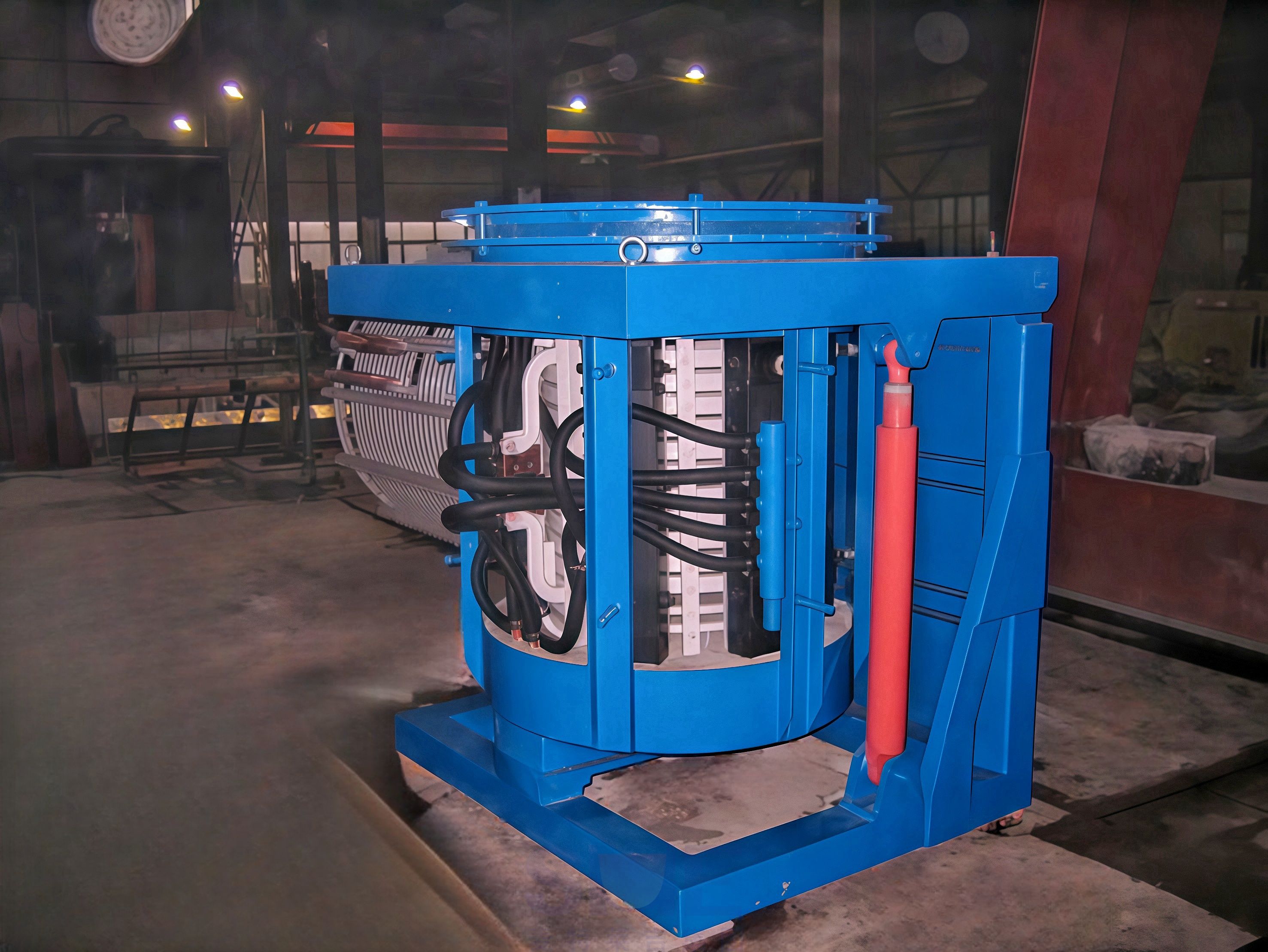
Typical Induction Furnace Equipment Combinations
Different steel plants adopt different induction furnace configurations depending on product type, production scale, and investment strategy. The most common layouts are shown below.
1. Standard Induction Furnace Mini-Mill Configuration
Process route:
Induction Furnace → Continuous Casting Machine (CCM)
Key features:
· Suitable for carbon steel, rebar, and small-section products
· Simple process flow and easy operation
· Lower investment compared with electric arc furnace systems
This configuration is widely used in small and medium-scale steel plants producing construction steel and basic long products.
2. Induction Furnace with Secondary Refining
Equipment combination:
Induction Furnace → Ladle Furnace (LF) → CCM
Advantages:
· Improved temperature control before casting
· Better alloy adjustment and chemistry accuracy
· Reduced inclusion content and improved steel cleanliness
This layout is suitable for plants producing higher-grade carbon steel or alloy steel where tighter composition control is required.
3. Dual-Furnace Induction Melting System
Process route:
Twin Induction Furnaces → Ladle / Holding Furnace → CCM
Suitable for:
· Continuous casting operations requiring stable molten steel supply
· Plants aiming to reduce waiting time between heats
· Facilities targeting higher productivity without installing large EAF systems
By operating two furnaces alternately, one furnace can melt while the other is tapping, which significantly improves plant utilization and reduces casting interruptions.
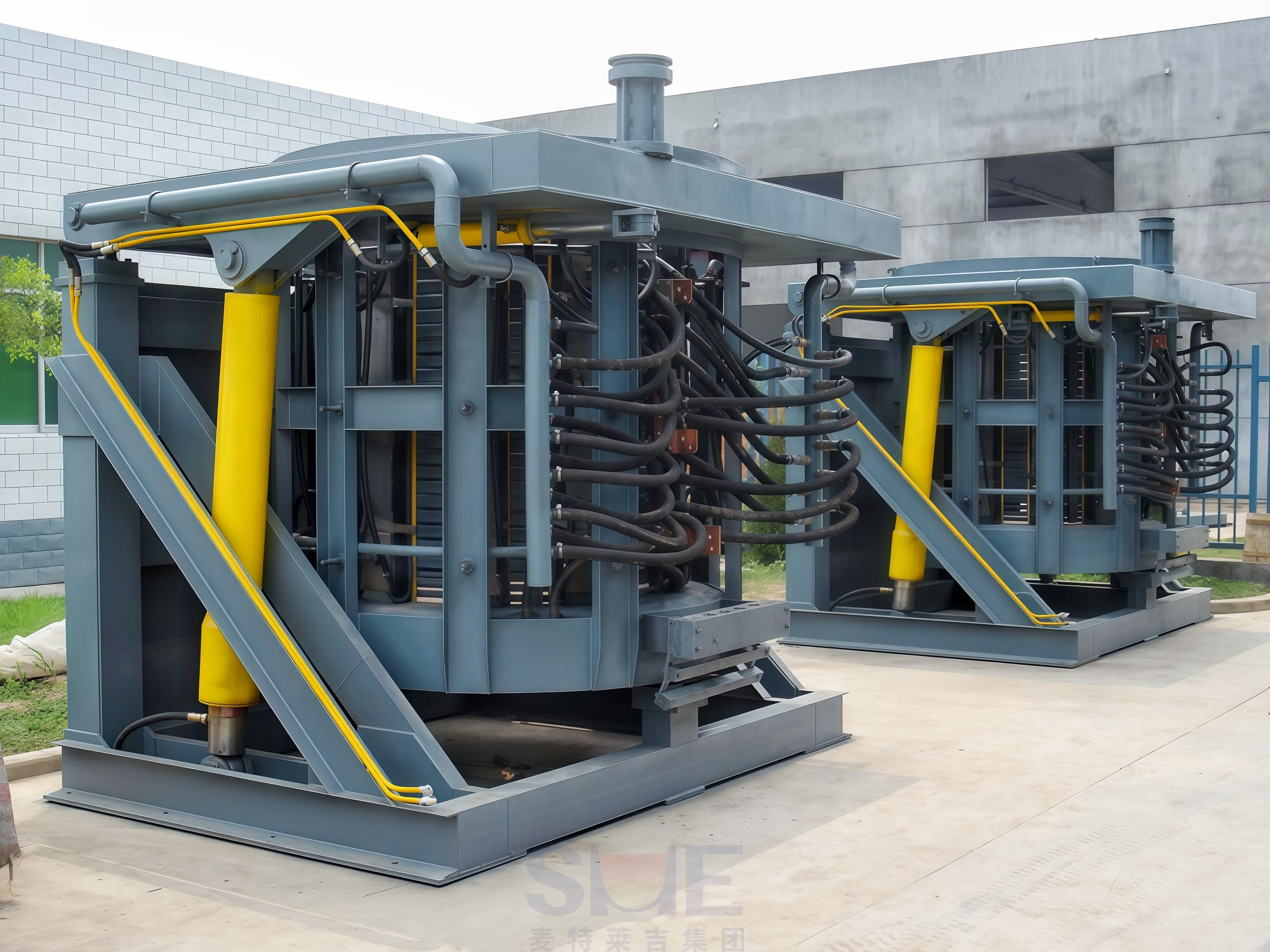
Why Choose SME Induction Furnace Technology?
· Compact plant layout with lower installation and infrastructure cost
· Precise temperature control and stable metallurgical conditions
· Reduced oxidation and higher metal yield compared with arc melting
· Modular design allowing future capacity expansion
· Full turnkey supply, including automation and casting integration
Induction furnace steelmaking is particularly suitable for small and medium‑scale steel plants, foundries, and alloy steel producers requiring flexible production, lower environmental impact, and dependable melting performance. SME systems help producers achieve consistent quality while maintaining competitive operating costs.