Continuous Casting Machine (CCM)
High‑Speed and High‑Quality Continuous Casting Solutions
Continuous Casting Machines (CCM) transform molten steel into billets, blooms, or slabs through a continuous and highly efficient solidification process, forming a critical link between steelmaking and downstream rolling. With advantages such as improved yield, reduced energy consumption, and consistent product quality, CCM technology is widely adopted in modern steel plants. Stable casting conditions are essential—instabilities in mold level control, secondary cooling, or strand guidance can lead to internal cracks, centerline segregation, and surface defects, which may negatively affect subsequent rolling and final product performance.
At Shanghai Metallurgy Equipment Group (SME), we design and supply complete turnkey continuous casting machines, engineered to ensure uniform solidification, precise strand control, and stable high-speed casting performance. Our solutions incorporate optimized mold design, advanced cooling systems, and reliable automation control to improve surface quality and internal structure across a wide range of steel grades. By combining proven engineering with robust equipment design, SME helps customers achieve higher productivity, improved casting reliability, and consistent output quality in long-term operation.
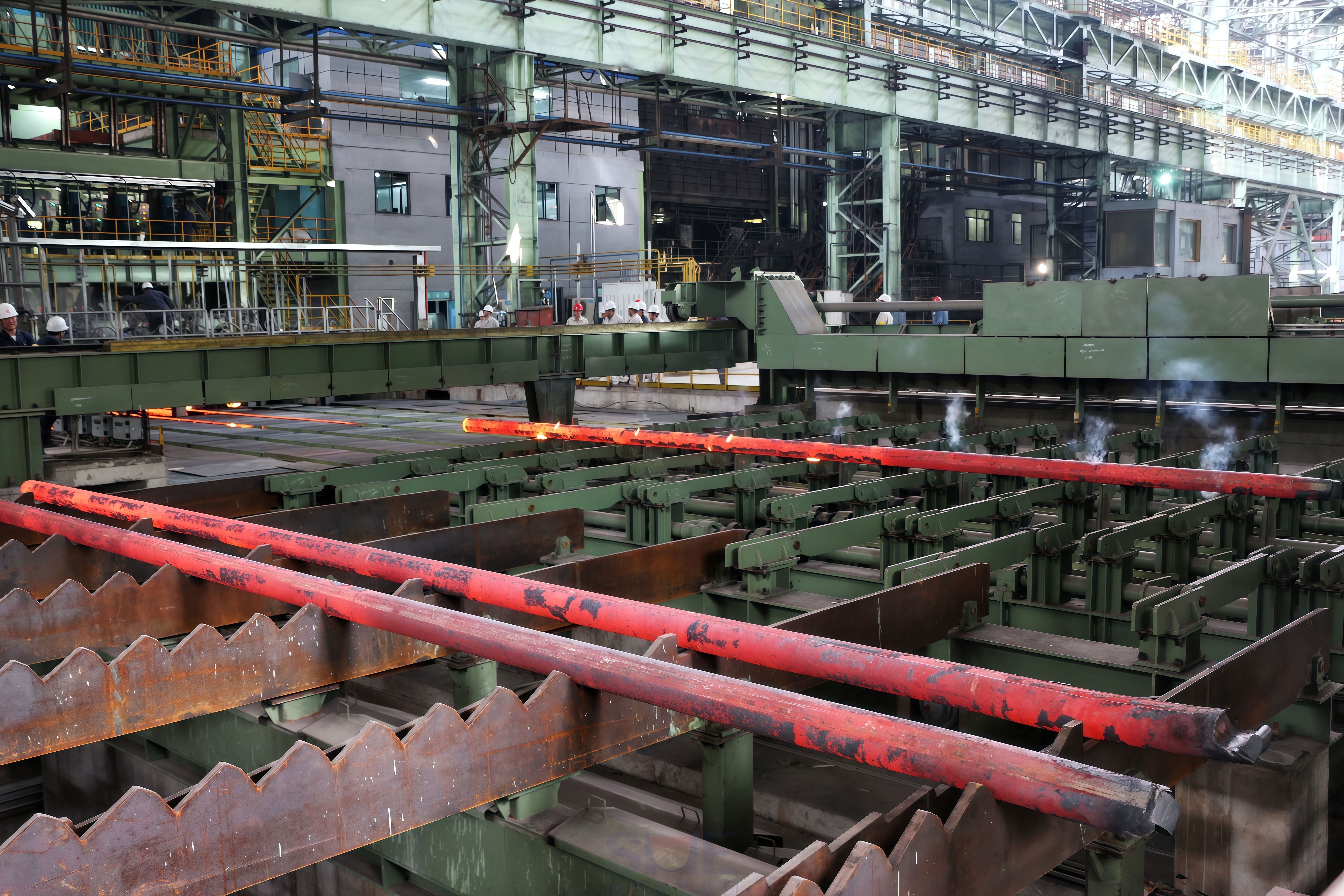
Continuous Casting Process Flow
Ladle → Ladle Turret → Tundish → Submerged Entry Nozzle (SEN) → Mold → Secondary Cooling Zone → Straightening → Cutting → Billet/Bloom/Slab Discharge
Molten steel is transferred from the ladle to the tundish via a ladle turret, which enables continuous operation during ladle exchange. Steel flows through a submerged entry nozzle into a water‑cooled copper mold, where a solid shell forms around the liquid core. The strand then passes through the secondary cooling zone, where spray water ensures controlled solidification before the strand is straightened and cut to length.
Standard CCM Technical Parameters
| Parameter | Typical Range |
| Number of Strands | 1 – 12 strands |
| Casting Speed | 1.0 – 4.0 m/min |
| Section Size | 100 × 100 – 300 × 300 mm (billet) |
| Applicable Steel Grades | Carbon steel, alloy steel, special steel |
Custom configurations are available for bloom and slab casting depending on plant capacity and product mix.
Main Equipment of a Continuous Casting Machine (CCM)
A complete Continuous Casting Machine (CCM) system is designed to transform molten steel from the ladle into semi-finished products such as billets, blooms, or slabs in a continuous and controlled process. The coordination of mechanical, thermal, and automation systems ensures stable casting, high surface quality, and internal soundness of the cast product.
Core equipment includes:
· Ladle turret or ladle car for positioning and rotating ladles during continuous casting
· Tundish system with refractory lining, flow control devices, and tundish car for stable steel distribution
· Mould assembly with copper mould, mould oscillator, and mould level control system
· Secondary cooling zone with water spray or air-mist cooling to control solidification and shell growth
· Withdrawal and straightening unit consisting of driven rollers to pull and straighten the strand
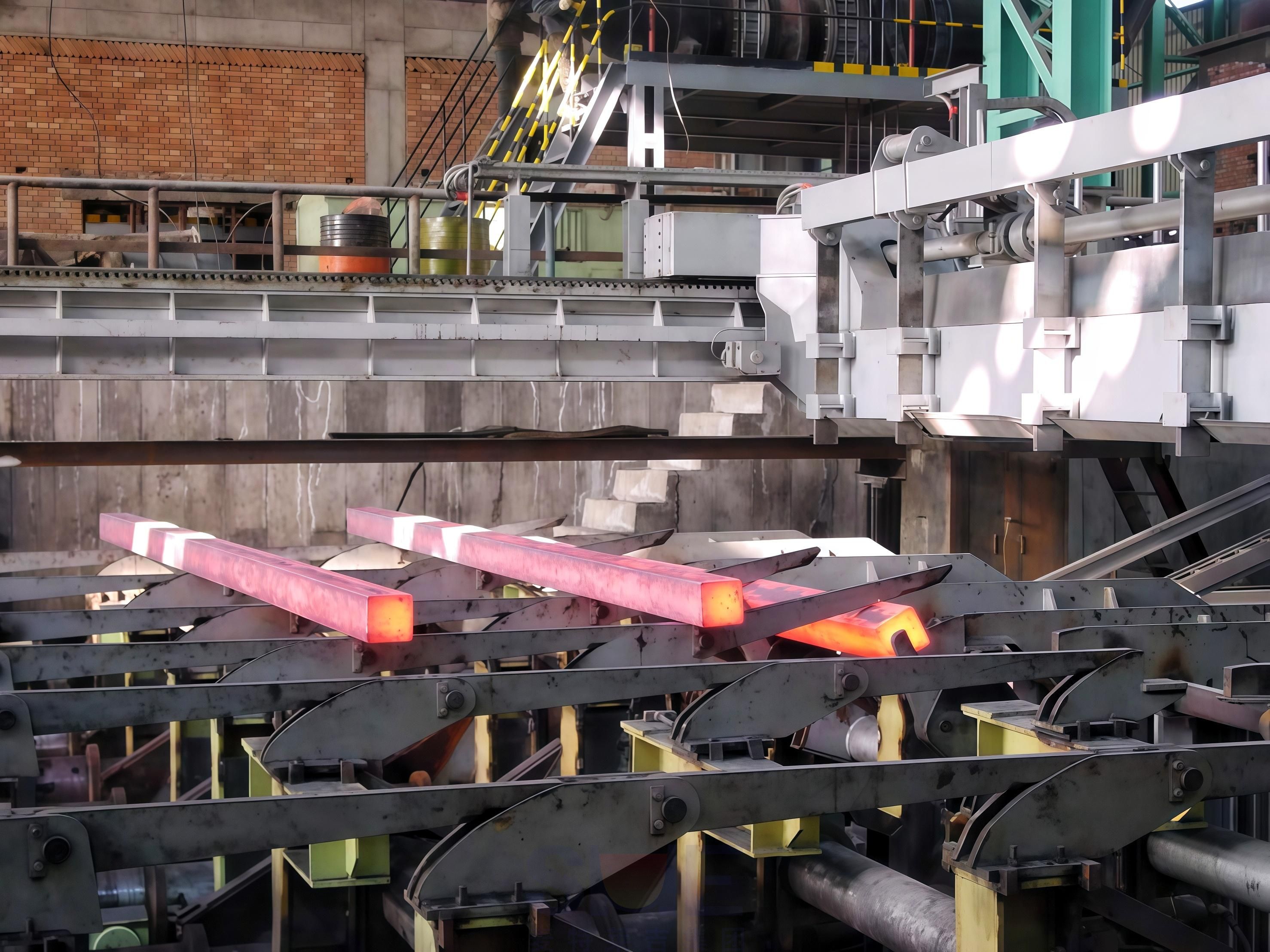
· Torch cutting or flying cutting machine for cutting billets, blooms, or slabs to required length
· Run-out roller table and product handling system for transferring cast products to cooling beds or storage
These systems together determine casting speed, surface quality, internal structure, and overall plant productivity.
Typical Continuous Casting Machine Configurations
Different steel plants adopt different CCM layouts depending on product type, capacity, and plant layout. The most common configurations are described below.
1. Billet Continuous Casting Machine for Long Products
Process route:
Ladle → Tundish → Billet CCM → Cooling Bed → Rolling Mill
Key features:
· Designed for billets typically ranging from 100 × 100 mm to 200 × 200 mm
· Suitable for rebar, wire rod, and section steel production
· Compact layout and lower investment cost
This configuration is widely used in mini-mills and induction furnace-based steel plants producing construction steel.
2. Multi-Strand Continuous Casting Machine
Equipment combination:
Ladle → Tundish → Multi-Strand CCM → Cutting → Billet Handling
Advantages:
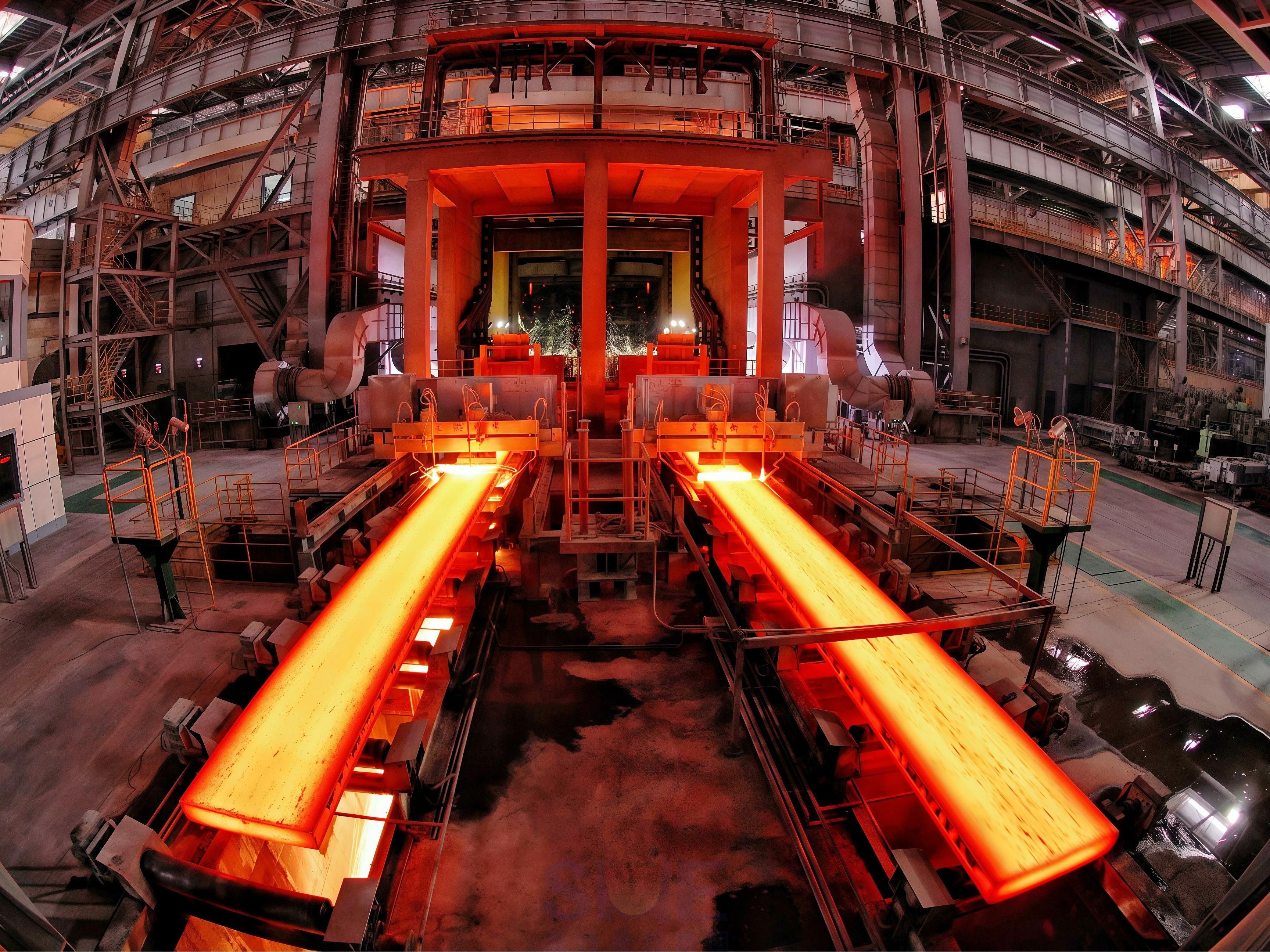
· Higher productivity from a single heat
· Better matching with high-capacity EAF or BOF steelmaking shops
· Reduced casting time and improved plant efficiency
Multi-strand CCMs are commonly used in plants targeting large-scale billet production with stable steel grades.
3. Slab or Bloom Continuous Casting Machine for Flat and Heavy Sections
Process route:
Ladle → Tundish → Slab/Bloom CCM → Slab Yard → Hot Rolling Mill
Suitable for:
· Hot strip mills
· Plate mills
· Heavy section rolling mills
Slab and bloom casters are designed with larger mould cross-sections and stronger withdrawal units to handle higher ferrostatic pressure and thicker strands.
Why Choose SME Continuous Casting Technology?
· Stable mold level control for reduced surface defects and breakout risk
· Optimized secondary cooling design for uniform solidification and reduced internal stress
· High casting speeds with consistent strand quality
· Flexible multi‑strand configurations for different production capacities
· Full integration with upstream steelmaking and downstream rolling mill lines
A reliable continuous casting process is the foundation of defect‑free semi‑finished products and efficient rolling operations. SME CCM systems are engineered to maximize yield, minimize quality defects, and ensure long‑term operational stability for modern steel plants.